
If you have seen a small mobile crane with a rounded glass cab, you have seen a bubble crane. They are one of the most useful cranes on a suburban job. They are small enough for a normal street, quick to set up and strong enough for most building and trade lifts.
This guide explains what a bubble crane is, what it is used for and how to pick the right size. Crane2U offers bubble crane hire in Melbourne, Bacchus Marsh, Melton and regional Victoria.
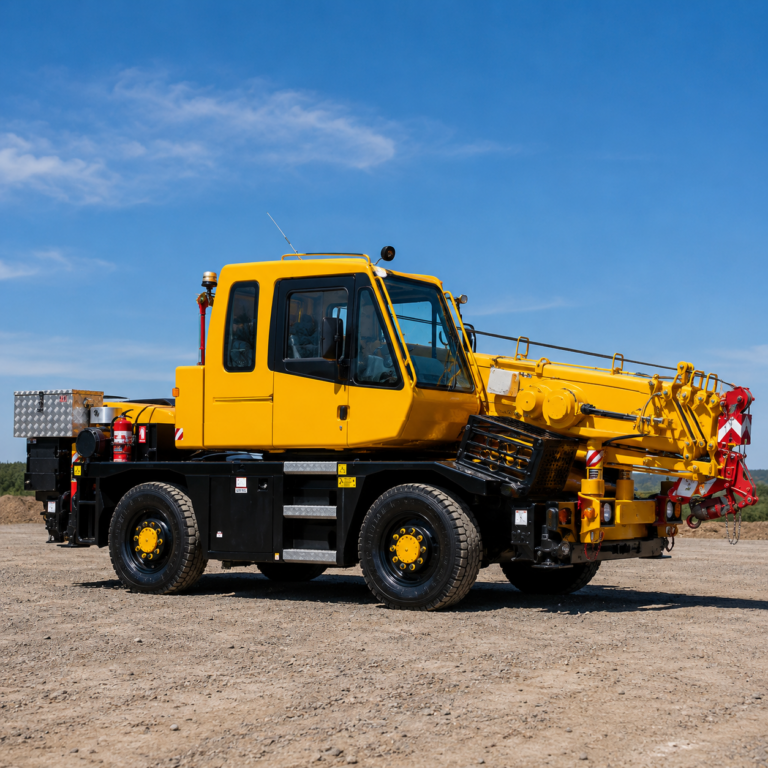
What is a bubble crane?
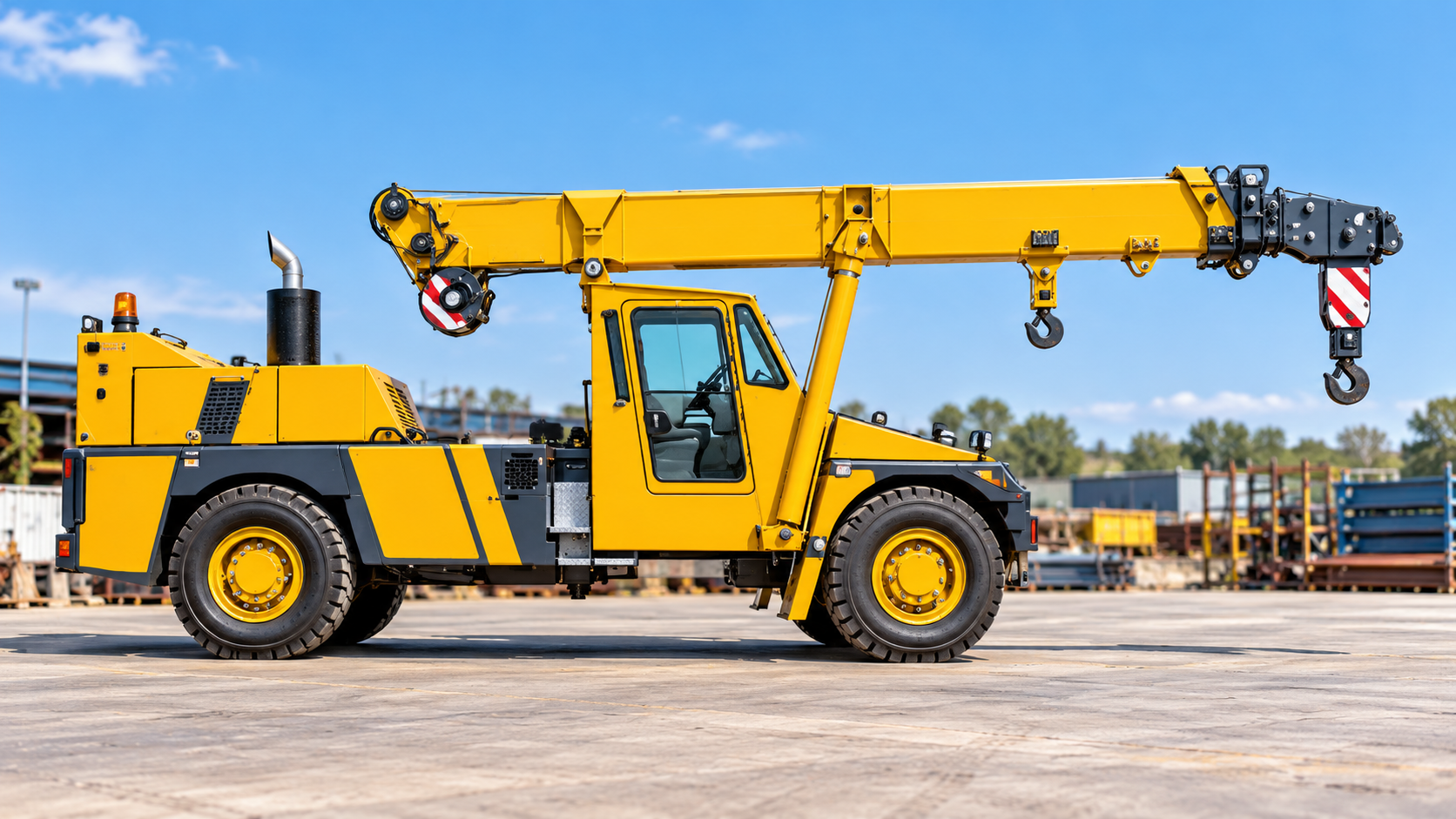
A bubble crane is a compact slewing mobile crane. The name comes from its rounded operator cab, which gives the operator a wide view of the lift. It drives to site on its own wheels, sets up on outriggers and swings its boom a full circle.
People search for these cranes in different ways: bubble crane, city crane, compact slew crane or small mobile crane. In most cases they mean the same type of machine.
What is a bubble crane used for?
Bubble cranes suit jobs where a big crane would be overkill or would not fit. Common jobs include:
Building and roofing: roof trusses, steel beams, frames and building materials on house and townhouse builds.
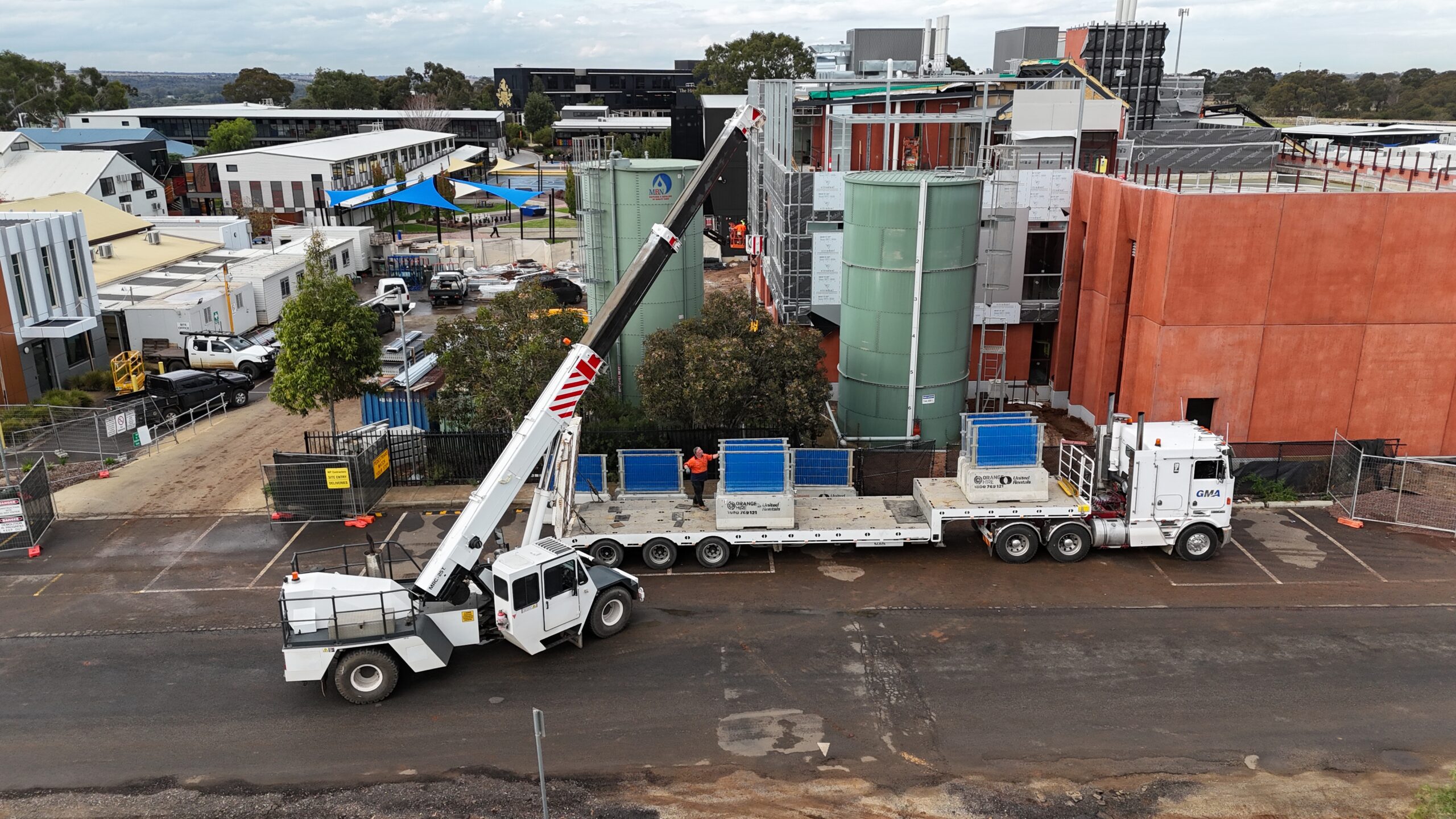
Plant and services: air conditioning units, plant and water tanks lifted onto roofs or into yards.
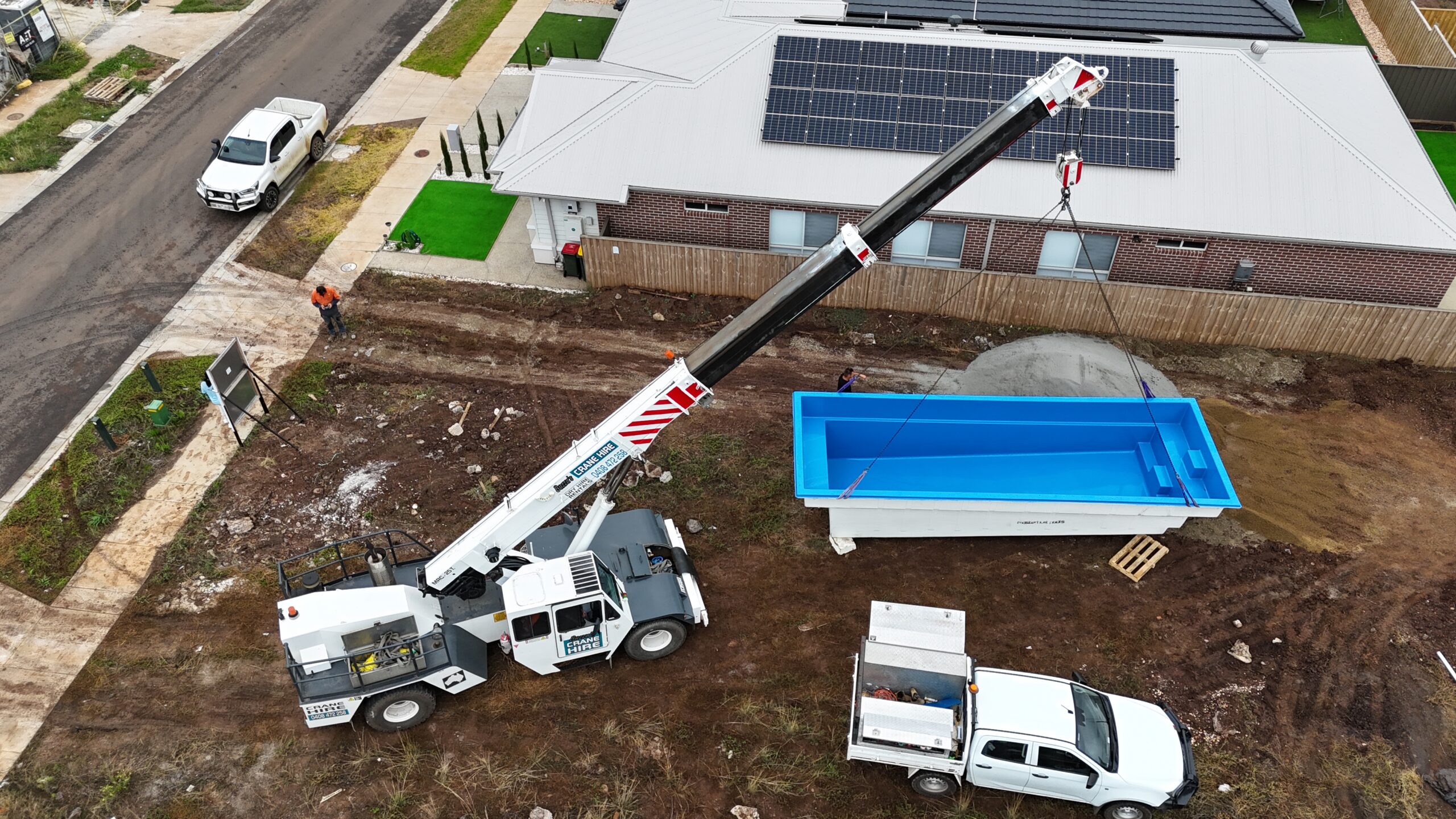
Pools and spas: smaller shells and spas lifted over fences with our pool lifting service.
Machinery and freight: loading, unloading and machinery relocation.
Commercial fit-outs: signs, shopfronts, glass panels, sheds and carports.
Because they are short and nimble, bubble cranes can often set up in a driveway or on a narrow street. That can mean less traffic control and a shorter day on site.
Bubble crane sizes: 10T, 13T, 16T and 20T
Bubble cranes are rated by their maximum lifting capacity in tonnes. That maximum only applies close to the crane. As the boom reaches further out, the safe load drops quickly. So choose a crane on weight and reach, not weight alone.
Crane2U runs four bubble crane sizes:
10 tonne bubble crane: our smallest bubble crane. Its short, narrow carrier fits down driveways and laneways, and it suits lighter lifts close to the crane, such as air conditioning units, lintels, spas and pallets of materials.
13 tonne bubble crane: a step up from the 10T, with a bit more reach and capacity for trusses, small plant, tanks and frames on tight streets.
16 tonne bubble crane: the middle option, with more reach and capacity for roof plant, steel and heavier building materials.
20 tonne bubble crane: the largest. Use it when the load is heavier or the reach is longer, such as lifting over a house or far back on a block.
Each service page has the details for that machine. Tell us the load and we will confirm.
How to choose the right bubble crane size
Send us four things and we can pick the right crane:
1. The weight of the heaviest item. Include any pallet, cradle or lifting gear.
2. The reach. The distance from where the crane can park to where the load must land.
3. The height. Anything the load has to clear, such as a roof, fence or tree.
4. The access. Street width, driveway slope, gate size and any overhead powerlines.
Reach is the one people forget. A light load set down 15 metres from the crane can need a bigger crane than a heavier load set down right beside it. Try our crane calculator for a first idea, then let us check it.
Bubble crane vs Franna, compact and spider cranes
A bubble crane is not always the best fit. Here is how it compares:
Franna crane: a pick-and-carry crane that can drive with the load on the hook. Great on open, flat sites where a load has to move across the yard.
Compact crane: even smaller machines for very light lifts in tight spots.
Spider crane: tracks through a doorway or narrow gate and sets up inside a building or backyard. Ideal for tight access crane hire, glass and indoor lifts.
If the crane can park within reach of the lift and the load needs to swing over something, a bubble crane is often the quickest and most cost-effective choice.
Site checks, safety and permits
Every lift starts with a quick site check. We look at where the crane can set up, the ground under the outriggers and any overhead powerlines. Victoria has strict No Go Zone rules near powerlines, so tell us early if lines run along the street. Where needed, we can supply electrical spotters.
If the crane sets up on a road or footpath, your council may need a permit. Busy streets may also need traffic management. Our dogman and riggers handle the slinging, and longer or heavier lifts can get an engineered lift plan.
What does bubble crane hire cost?
Cost depends on the crane size, how long it is on site, travel distance and extras like permits or traffic control. A short lift close to the crane costs far less than a long-reach lift over a house. Our guide on what affects a crane hire quote explains each factor.
The quickest way to an accurate price is to send clear details and a photo of the site.
Book a bubble crane in Melbourne
Bubble cranes book out fast in spring and summer, when building and pool season peaks. Once your delivery or build date is set, lock in the crane.
Send us your address, the load weight, a photo of the access and your preferred date. Get a quote from Crane2U and we will match the right bubble crane to your job.
Bubble crane hire FAQs
What is a bubble crane?
A bubble crane is a compact slewing mobile crane with a rounded “bubble” cab. It drives to site on its own wheels, sets up on outriggers and swings its boom a full circle.
How much can a bubble crane lift?
It depends on the crane size and the reach. Crane2U runs 10, 13, 16 and 20 tonne bubble cranes. The rated tonnage applies close to the crane, and capacity drops as the load moves further out.
Can a bubble crane fit on a normal residential street?
Usually, yes. Bubble cranes are built for suburban streets and driveways. We check street width, driveway slope and overhead powerlines before booking.
Do I need a permit for a bubble crane?
You may need a council permit if the crane sets up on the road or footpath. Check with your local council, or ask us when you book.