An industrial lift rarely starts with the question, “What's the biggest crane available?” The better question is: what are we lifting, how far does it need to move, and what does the site allow? A warehouse roof installation, a switchboard delivery and a factory equipment move can each need a very different crane.
That is especially relevant across Melbourne's busy industrial areas. The September 2026 RLB Crane Index recorded 224 cranes operating across Melbourne, with data centre and industrial sites contributing to recent growth. It signals active construction, but doesn't tell you which mobile crane is right for an individual job.
For contractors arranging industrial crane hire in Melbourne, Crane2U can help match the equipment, lifting crew and supporting services to the work. Here's how to approach the decision before booking.
A crane that works perfectly in an open construction yard may not suit a congested warehouse entrance or an indoor plant room. The load may be well within a crane's advertised maximum, yet the job may still be unsuitable because of working radius, hook height, overhead services, turning space or ground capacity.
For example, a warehouse upgrade might involve steel beams arriving by truck, mechanical equipment being lifted onto the roof and electrical equipment being positioned near a loading dock. These are different lifting tasks, even when they happen on the same project. Explore Crane2U's full mobile crane hire range before locking in a machine based on tonne rating alone.
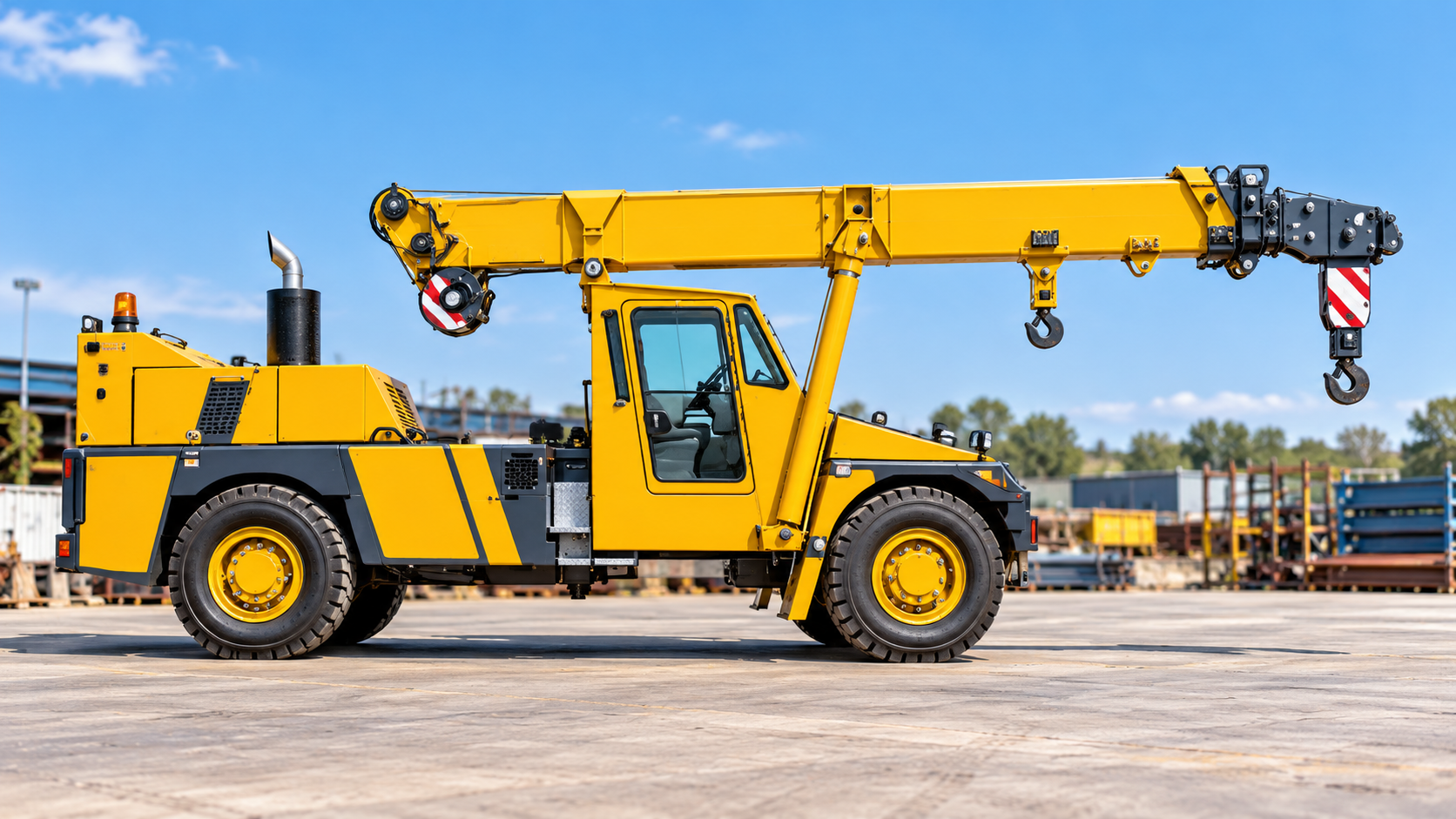
A Franna is designed for pick-and-carry lifting, meaning that, where conditions and the manufacturer's load chart permit, it can move with a suspended load. That makes it a practical option for certain short-distance movements between an unloading zone, storage area and installation point.
Typical jobs may include shifting steel components within an accessible yard, handling equipment delivered by truck and repositioning suitable machinery during a construction or maintenance program. For many tasks, the advantage is being able to move the load without setting up a stationary crane at every pick-up point.
Crane2U offers Franna crane hire in Melbourne, including the 20T Franna crane.
The 20-tonne rating is not the lifting capacity at every radius or while travelling. The actual lift must be checked against the particular crane's load chart, configuration and site conditions.
Some industrial lifts call for more reach rather than mobility with a suspended load. Think rooftop HVAC equipment, larger steel structures, precast components or plant that must be placed beyond a building edge.
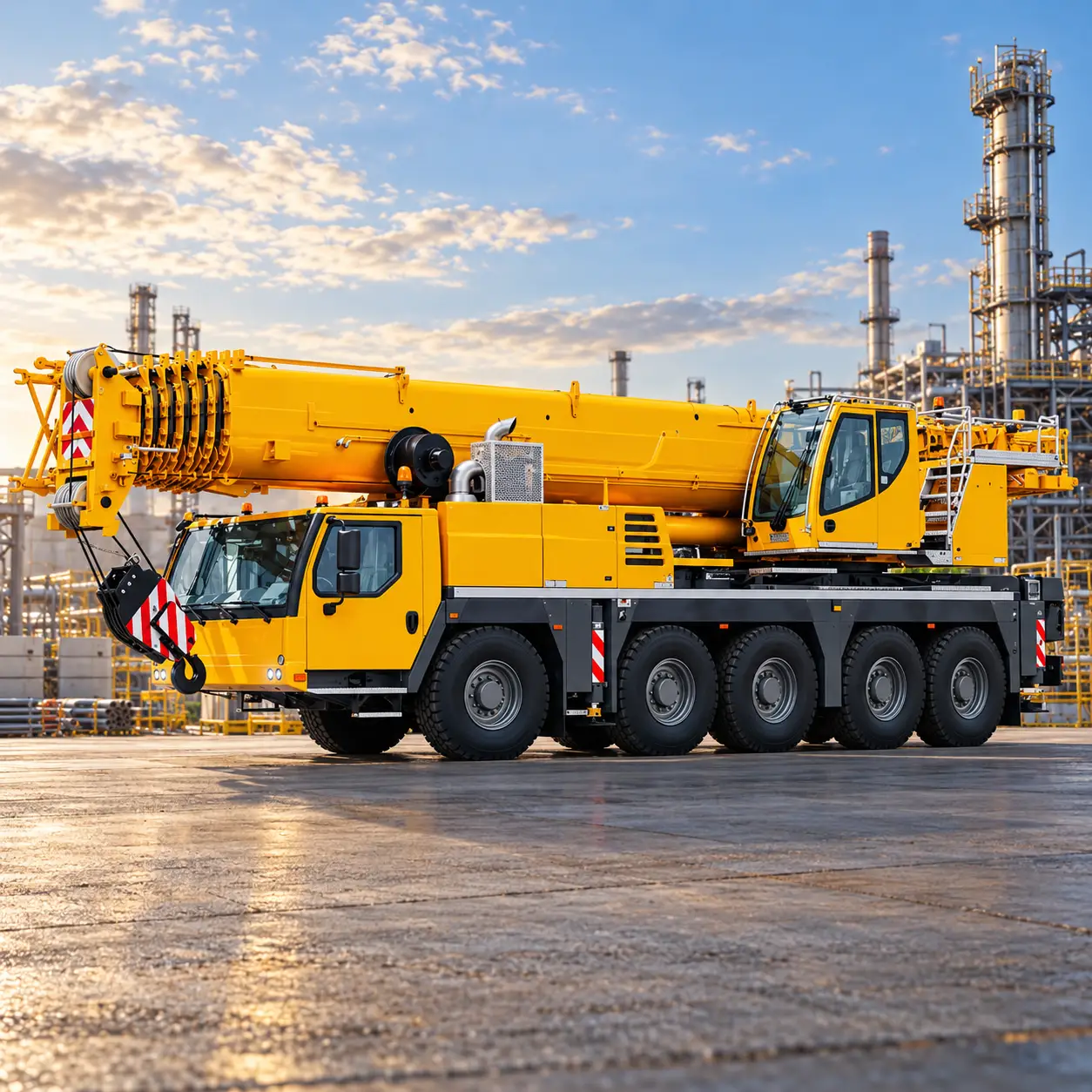
An appropriately configured all-terrain crane may be the better choice where a planned setup position, boom length and lifting radius are critical.
Crane2U's all-terrain crane hire options span smaller two-axle equipment through to larger machines for more demanding work. Selection depends on the actual load at the required radius, as well as ground bearing, available setup space, transport access and any required permits.
For an industrial facility in Laverton, Truganina or Derrimut, the key detail is often where the crane can safely set up in relation to the final landing point, not simply the weight of the unit going onto the roof.
What if the crane cannot reach the lift from outside? Restricted access, narrow openings, occupied buildings and limited headroom may call for equipment with a smaller footprint.
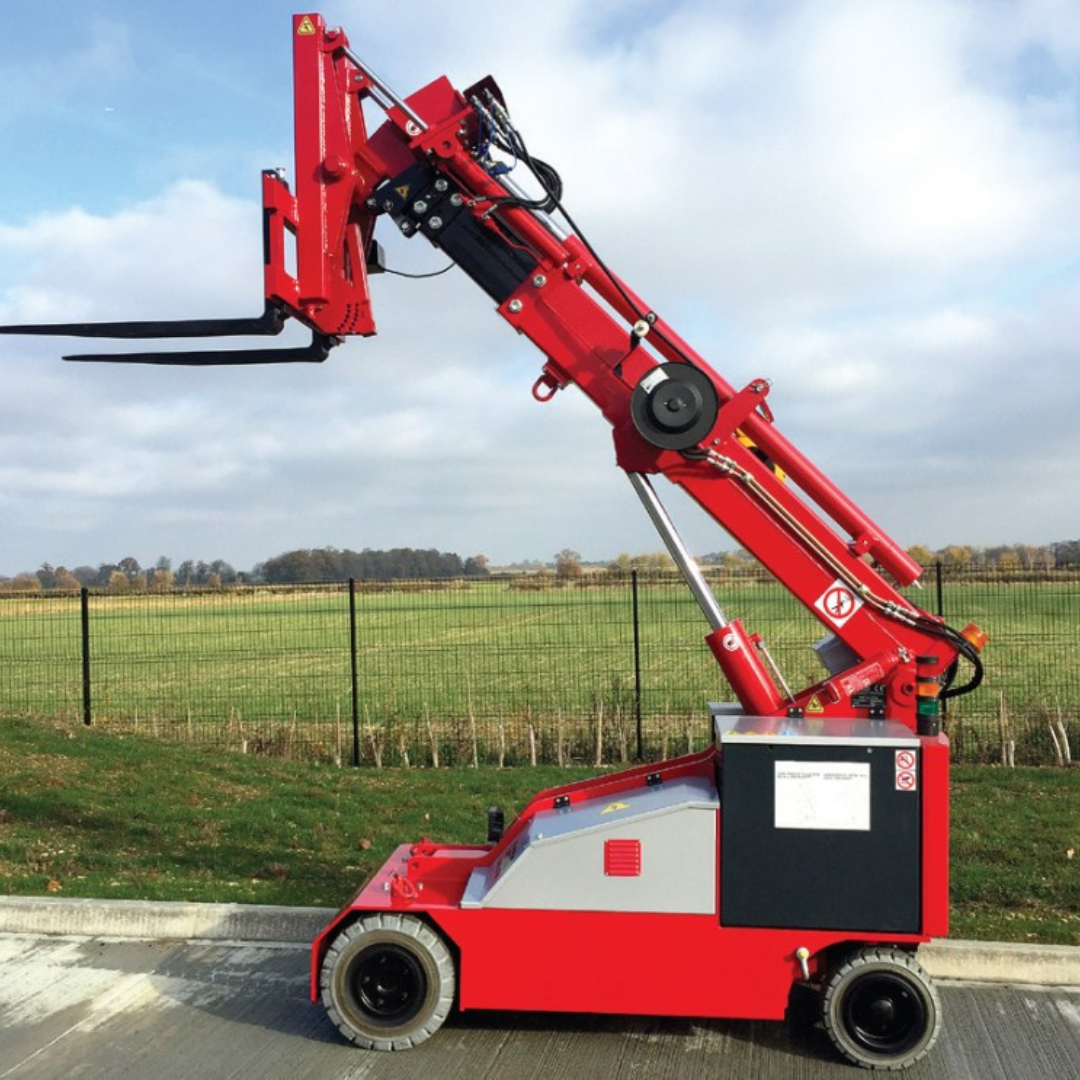
For suitable tasks, crawler spider crane hire can support precise lifting in confined or difficult-access locations. A compact GF30 pick-and-carry crane may also be an option for certain indoor equipment moves, depending on the load and available clearances. And when the challenge is carrying materials over a restricted or uneven route rather than lifting them into place, tracked carrier hire is worth discussing.
No compact machine is automatically suitable indoors. Door heights, floor loading, ventilation, slopes, lifting points and exclusion zones all need checking before equipment is confirmed.
Industrial lifting often starts before the crane arrives. Steel, switchboards, pumps, generators and other project equipment need to be delivered, unloaded and positioned in the right sequence.
Crane2U can coordinate crane truck transport for suitable loading and unloading requirements, as well as heavy haulage transport for larger equipment movements. The right transport plan helps avoid an arriving load blocking the crane setup area or forcing materials to be handled twice.
For projects with multiple suppliers, it pays to confirm delivery windows, unloading locations, lifting points, vehicle access and the handover between the transport crew and lifting crew before the day begins.
Choosing the crane is only one part of the job. Depending on the site and the work, the supporting people and controls may be just as important:
Dogmen and riggers: for appropriate slinging, load control, signalling and rigging tasks.
Engineered lift planning: where the lifting method, load geometry, site constraints or complexity call for detailed planning.
Electrical spotters: where work near electrical infrastructure requires the relevant controls and qualified support.
Traffic management: when safe vehicle and pedestrian movements, road occupation or site traffic need to be coordinated.
Wet and dry crane hire: different hire arrangements depending on machine availability, project needs, the appropriately licensed crew and contractual responsibilities.
Not every lift needs all these services. The aim is to identify what is actually required early enough to plan the work properly.
An accurate quote starts with usable site information. Send Crane2U the following details where available:
The load: confirmed weight, dimensions, lifting points and any unusual centre of gravity.
The pick and landing points: where the load starts, where it finishes and whether it travels while suspended.
The working envelope: approximate radius, hook height, clearance to structures and any overhead obstructions.
Access and ground: gate widths, road access, slopes, pavement or slab capacity and underground services.
The site environment: operational plant, pedestrians, powerlines, traffic and other trades working nearby.
Timing and support: preferred date, delivery window, project staging and whether rigging, transport or lift planning is needed.
Photos, site drawings and equipment details can make the initial review much more useful. Crane selection must still be confirmed against the relevant technical information and site conditions.
Melbourne's western industrial corridor includes locations such as Truganina, Laverton, Derrimut, Altona, Werribee and the wider Melton area, while manufacturing and construction projects also extend across the north, CBD surrounds and regional centres.
Crane2U services Melbourne and regional Victoria by arrangement, including Bacchus Marsh, Geelong and Ballarat.
Whether your project involves warehouse construction, data centre equipment, industrial maintenance, HVAC lifting or transformer and switchboard placement, the practical first step is to describe the lift before selecting the crane.