Essential Mobile Crane Parts
for Safe & Efficient Operation
Essential Mobile Crane Parts
for Safe & Efficient Operation
Mobile cranes rely on a combination of mechanical, hydraulic and safety components to perform lifting operations safely and efficiently. From the boom and hook block to the hydraulic system, tyres and load-monitoring equipment, every component plays an important role in crane performance.
Understanding essential mobile crane parts can help operators, project managers and site teams recognise why regular inspection and maintenance are critical. Well-maintained components can support reliable lifting operations, reduce unexpected downtime and help ensure the crane is suitable for the requirements of each project.
Crane selection is just as important as equipment condition. Crane2U provides a range of mobile crane hire in Melbourne options for construction, infrastructure, transport and specialised lifting projects.
What Are the Essential Mobile Crane Parts?
A mobile crane consists of several interconnected systems that allow it to lift, move and position heavy loads.
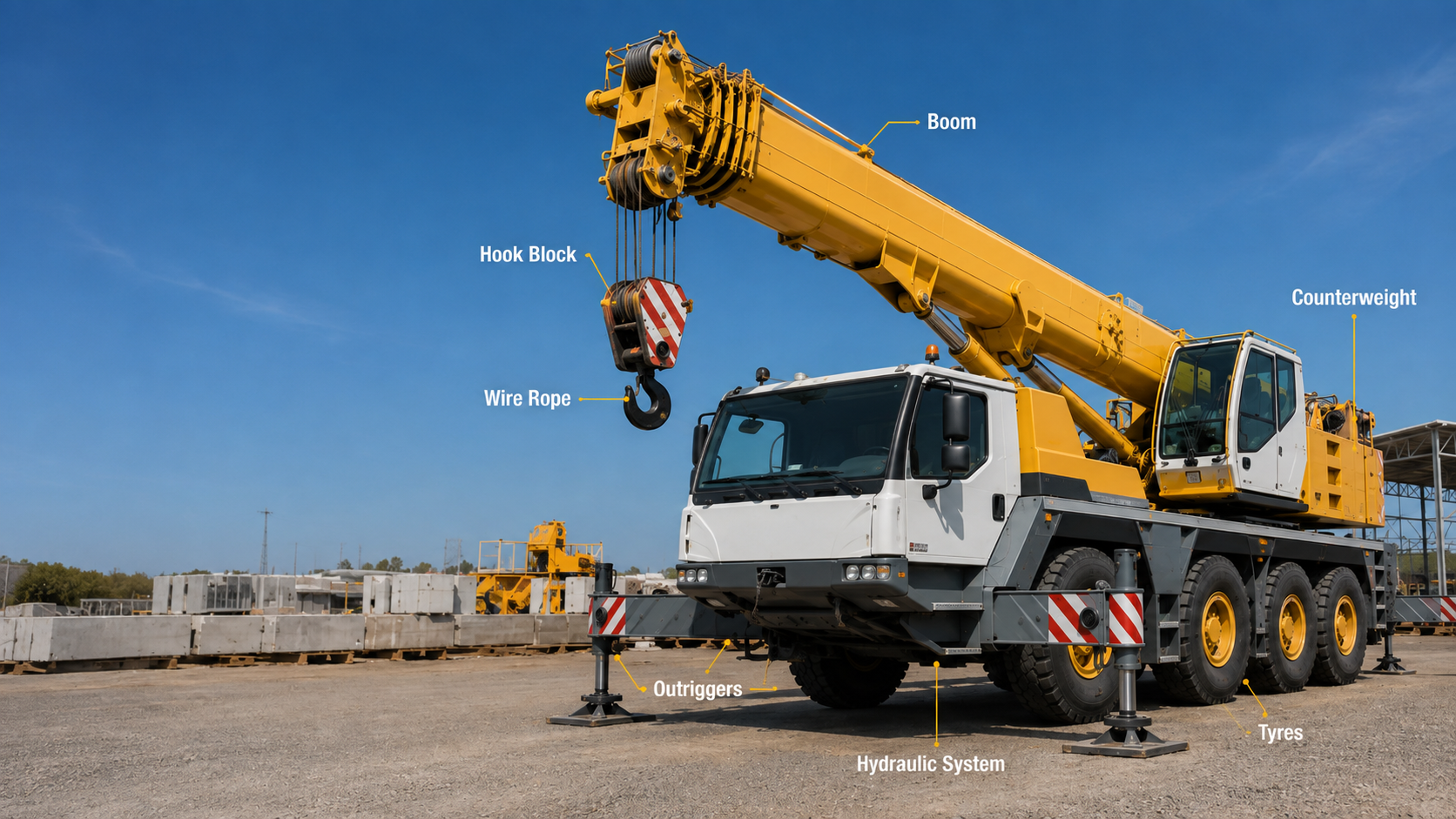
A mobile crane consists of several interconnected systems that work together to support safe and efficient lifting operations. Key mobile crane parts include the boom, hook block, wire rope, winch, sheaves, hydraulic cylinders, hydraulic pumps and hoses, outriggers, counterweights, tyres, braking system, steering system, slewing mechanism, load monitoring systems, operator controls, and warning and safety devices. Each component has a specific function and contributes to the crane’s overall lifting capacity, stability, movement, and operational safety.
Each component contributes to the crane’s overall lifting capability and safe operation.
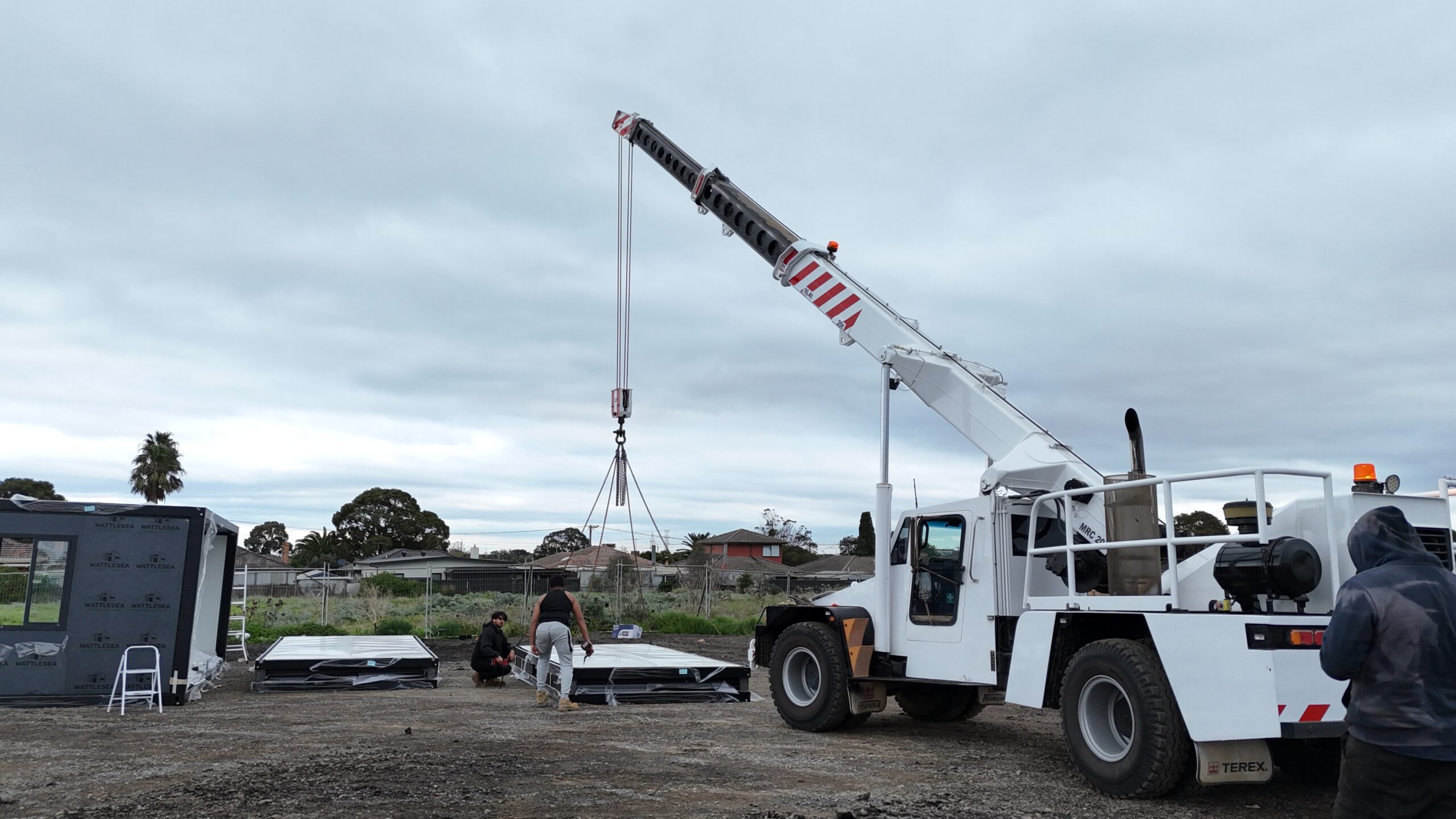
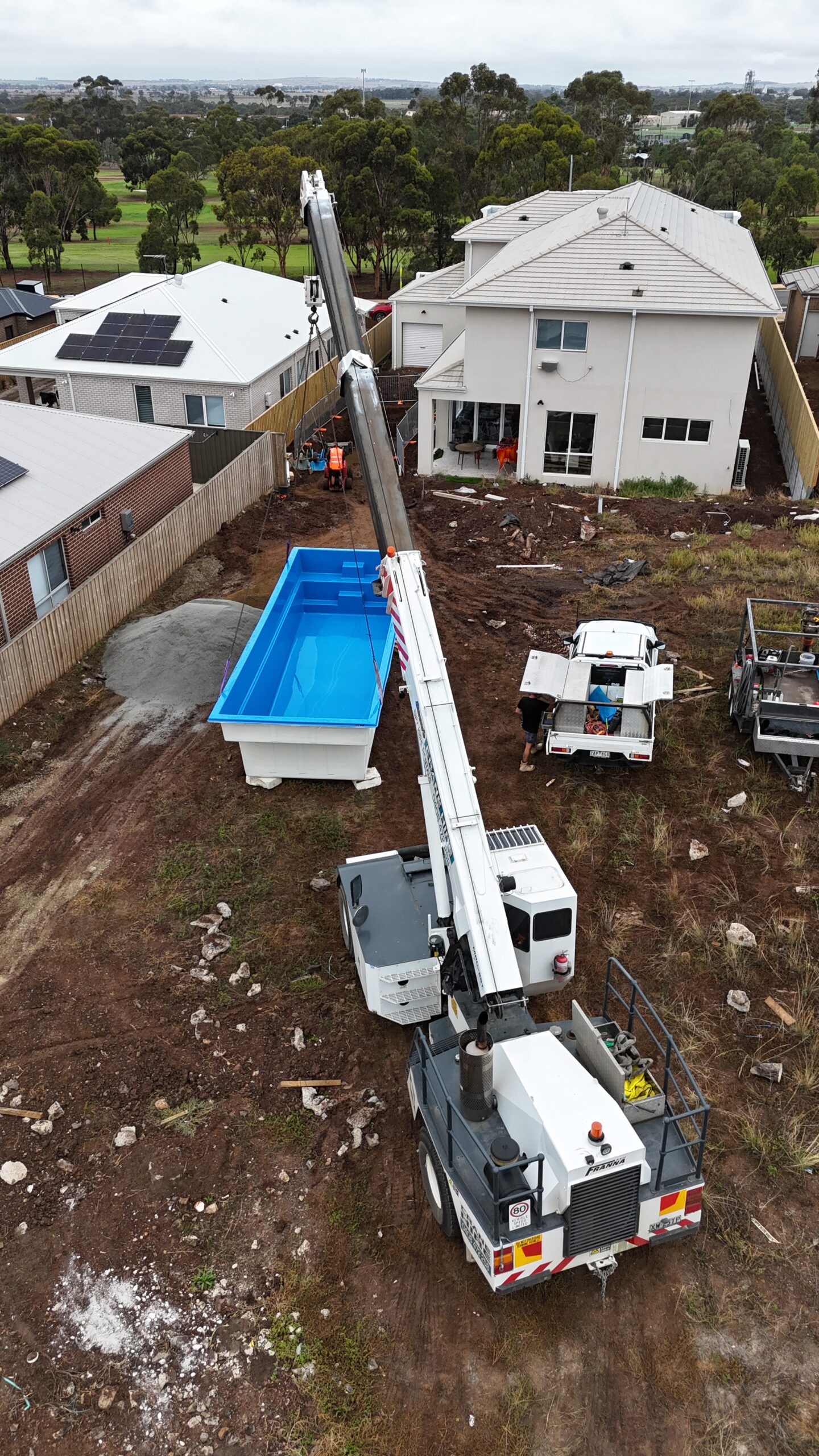
For example, a Franna crane is designed as a pick-and-carry crane, allowing it to lift a load and travel with it under suitable operating conditions. Learn more about Crane2U’s Franna crane hire options.
The Crane Boom Provides Reach and Lifting Height
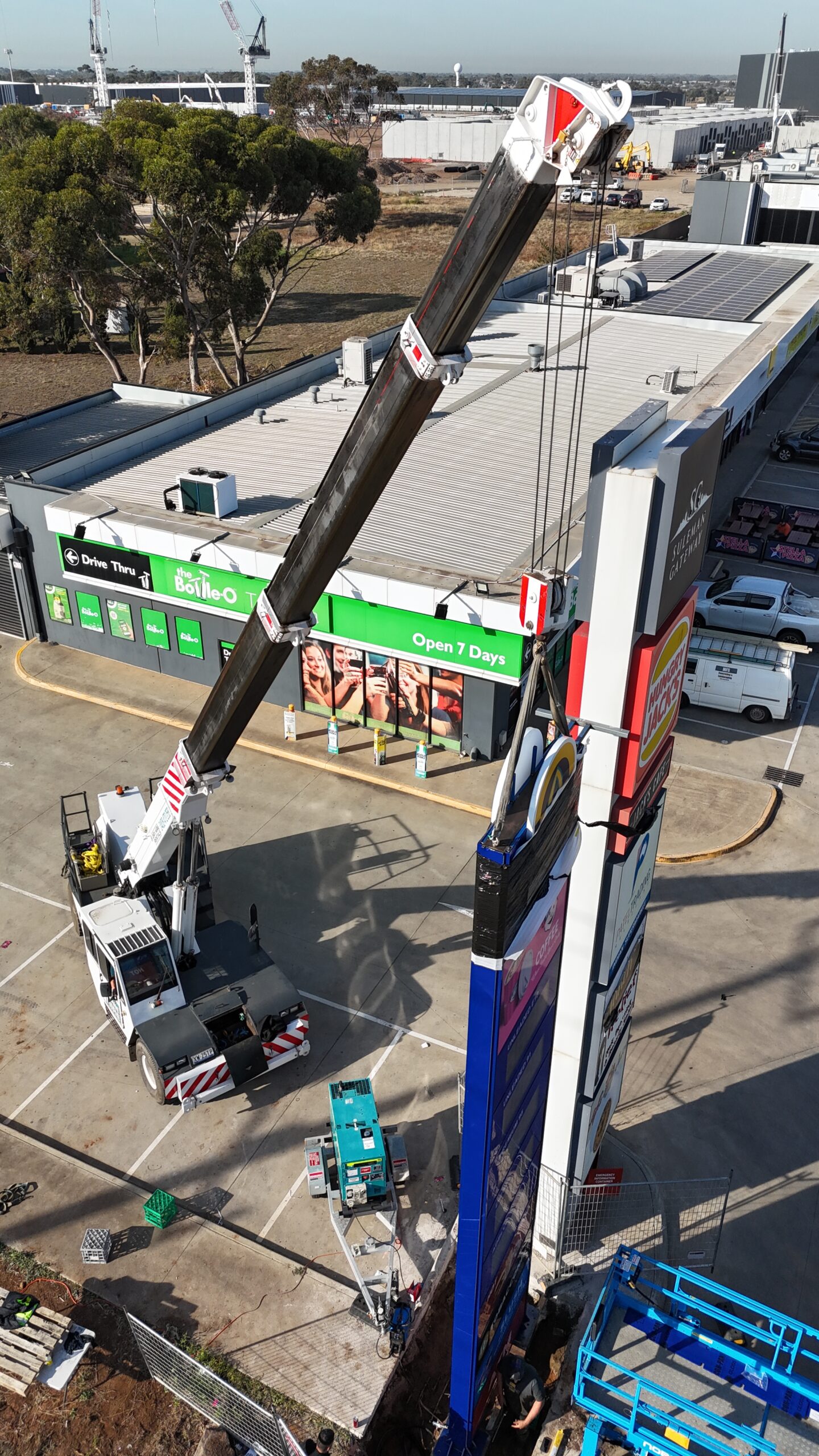
The boom is one of the most recognisable and important mobile crane components. It extends from the crane body and provides the reach required to position loads at different heights and distances.
Depending on the crane, the boom may consist of multiple telescopic sections that extend hydraulically.
The condition of the boom should be considered as part of regular crane inspections. Damage, excessive wear or issues with boom extension components can affect crane performance and lifting operations.
Choosing the right crane for a project depends on several important factors, including load weight, required lifting height, working radius, site access, ground conditions, and any obstructions around the lifting area. Considering these factors helps determine the most suitable crane type, capacity, and setup for safe and efficient lifting operations.
Larger or more complex lifts may require all terrain crane hire with greater lifting capacity and reach.
Hook Blocks, Wire Ropes and Winches Control the Load
The hoisting system is responsible for raising and lowering the load. Several important mobile crane parts work together within this system.
Hook Block
The hook block connects the crane’s hoisting system to the lifting equipment attached to the load. Hooks and associated components should be checked for signs of wear, deformation or damage.
Wire Rope
Wire rope transfers lifting force from the winch to the hook block.
Wire ropes should be regularly inspected for signs of damage such as broken wires, corrosion, crushing, kinking, excessive wear, and other visible defects. Identifying these issues early can help prevent equipment failure and support safer lifting operations.
Winch
The winch controls the movement of the wire rope, allowing the crane to raise or lower the hook and load.
Sheaves
Sheaves guide the wire rope through the crane’s hoisting system and help distribute forces during lifting. These components work together, so deterioration in one part of the system can affect overall lifting performance.
Hydraulic Systems Power Mobile Crane Movement
Hydraulic systems provide the power required for many crane functions.
Important hydraulic components include pumps, cylinders, valves, hoses, seals and hydraulic fluid.
Hydraulic hoses and connections should be monitored for leakage, deterioration or physical damage. Maintaining the hydraulic system helps ensure smooth crane movement and reliable operation.
Preventive maintenance can also help identify developing issues before they result in unexpected downtime during a project.
Outriggers Help Stabilise the Crane
Many mobile cranes use outriggers to increase stability during lifting operations.
Outriggers extend from the crane chassis and transfer forces into the supporting ground. Their effectiveness depends not only on the condition of the equipment but also on the ground conditions and crane setup.
Before lifting begins, factors such as ground strength, available space and outrigger positioning need to be considered.
Complex lifting operations may also require detailed planning to determine crane positioning, lifting radius, load weight and site conditions. Crane2U provides engineered lift planning for projects that require more detailed assessment and preparation.
Tyres, Steering and Brakes Are Important Mobile Crane Components
Unlike stationary cranes, mobile cranes need systems that allow the equipment to travel safely around worksites or between locations.
The steering and braking systems are also important, particularly for pick-and-carry cranes such as Franna cranes that may move while carrying a suspended load under controlled conditions.
Keeping these components properly maintained contributes to both mobility and safe crane operation.
Counterweights Help Maintain Crane Stability
Counterweights help balance the forces created when a crane lifts a load.
Their configuration varies depending on crane type, capacity and lifting requirements.
Crane configuration should be planned based on factors such as load weight, boom configuration, lifting radius, crane capacity, and manufacturer specifications. Reviewing these requirements helps ensure the crane is set up correctly for the intended lift and operated within its designed working limits.
Correct crane configuration is therefore an important part of planning a lift.
Crane Safety Systems Help Prevent Overloading
Modern mobile cranes use monitoring and warning systems to help operators understand the crane’s working conditions.
Mobile cranes may also include safety and monitoring features such as rated capacity indicators, load moment indicators, boom angle indicators, warning alarms, limit systems, and emergency controls. These systems help operators monitor crane conditions, stay within safe operating limits, and respond quickly if a potential issue occurs.
These systems support crane operators but do not replace proper lift planning, trained personnel or compliance with equipment operating requirements.
If you are unsure what crane capacity may be suitable for a project, Crane2U’s crane calculator can provide an initial indication based on information such as load weight and lifting radius.
Rigging Equipment Is Just as Important as Crane Condition
A properly maintained crane still requires suitable rigging equipment and trained personnel to control the load safely.
Rigging equipment may include slings, shackles, chains, lifting beams, spreader beams, and other lifting attachments. Each item should be suitable for the load and lifting method to help support safe load handling and controlled crane operations.
Correct load connection and communication between personnel are important throughout lifting operations.
Crane2U also provides dogman and rigging services to support crane operations and load handling.
Why Regular Mobile Crane Inspection Matters
Regular inspection and maintenance can help identify wear, damage or mechanical problems before they become more serious.
Regular crane inspections should include critical components such as wire ropes, hooks, sheaves, hydraulic hoses, hydraulic cylinders, braking systems, tyres, outriggers, controls, warning systems, and safety devices. Checking these components for wear, damage, or malfunction helps support reliable crane performance and safer lifting operations.
Inspection requirements will depend on the crane, manufacturer recommendations, operating conditions and applicable workplace safety requirements.
Safer operations | Worn or damaged components can be identified before lifting begins. |
Reduced downtime | Preventive maintenance may reduce the likelihood of unexpected equipment problems. |
Reliable performance | Properly maintained systems help the crane perform as intended. |
Longer equipment life | Regular maintenance can reduce unnecessary wear on major crane components. |
Choosing the Right Mobile Crane for Your Project
Understanding crane components is useful, but choosing the correct crane for a specific lifting job is equally important.
Choosing the right crane also depends on factors such as the weight of the load, lifting radius, required height, site accessibility, ground conditions, available space for crane setup, obstacles or overhead restrictions, whether the load needs to be carried, and the project location. Assessing these factors helps determine the most suitable crane type, capacity, and lifting approach for the job.
Crane2U’s fleet includes mobile lifting solutions for different project requirements across Melbourne and surrounding areas.
Instead of choosing a crane based only on maximum tonnage, the complete lifting conditions should be considered.
Frequently Asked Questions About Mobile Crane Parts
What are the main parts of a mobile crane?
Important mobile crane parts include the boom, hook block, wire rope, winch, sheaves, hydraulic system, outriggers, tyres, brakes, counterweights, controls and load-monitoring systems. The exact components vary depending on the crane type and configuration.
What mobile crane parts should be inspected regularly?
Safety-critical and high-wear components such as wire ropes, hooks, sheaves, hydraulic systems, tyres, brakes, outriggers, controls and safety devices should be inspected according to manufacturer requirements and applicable inspection procedures.
Why is mobile crane maintenance important?
Regular maintenance helps identify wear and mechanical issues, supports reliable crane operation and can reduce the risk of unexpected downtime during lifting projects.
What is the purpose of outriggers on a mobile crane?
Outriggers increase crane stability by extending the crane’s support area and transferring forces from the crane into the supporting ground during lifting.
How do I know what size crane I need?
Crane size depends on more than load weight. Lifting radius, height, access, ground conditions and crane setup should also be considered. A crane calculator can provide an initial indication, followed by assessment of the actual lifting requirements.
NEED A MOBILE CRANE FOR YOUR NEXT PROJECT? Safe, Reliable Crane Hire Across Melbourne Choosing suitable equipment is an important part of completing lifting work safely and efficiently. Crane2U provides mobile crane hire for construction, infrastructure, machinery movement and specialised lifting projects across Melbourne and surrounding areas. Whether your project requires a Franna, crawler crane, compact crane or larger all-terrain crane, the appropriate equipment should be selected based on the load, lifting radius and site conditions. Contact Crane2U to discuss your lifting requirements and request a crane hire quote. |