
When it comes to modern construction and infrastructure projects, efficiency and safety are everything. One operation that brings both together seamlessly is the installation of a fire pump room on a galvanized base using a mobile crane. This pre-fabricated, self-contained system has become a game-changer for contractors, engineers, and facility managers alike.
What Is a Fire Pump Room on a Galvanized Base?
A fire pump room on a galvanized base is a pre-fabricated, engineered frame that houses the essential components of a fire pump system. These units are designed for durability and ease of installation, featuring:
- A heavy-duty galvanized steel base to protect against corrosion
- Built-in lifting points, enabling fast, secure crane handling
- A weather-resistant enclosure, ensuring the system performs reliably in all conditions
- A plug-and-play layout that is ready to land on a concrete slab with minimal on-site assembly
Because of its modular nature, this type of fire pump room reduces installation time, limits fieldwork, and ensures consistent quality, often needing just the swift use of a crane for placement.
The Lift Process: From Delivery to Installation
Here’s a typical step-by-step workflow for landing a fire pump room on a concrete slab:
1. Site Preparation
The concrete slab is leveled, cured, and verified for load capacity and alignment. Utility connection points are marked, ready for when the crane lowers the unit.
2. Mobile Crane Setup
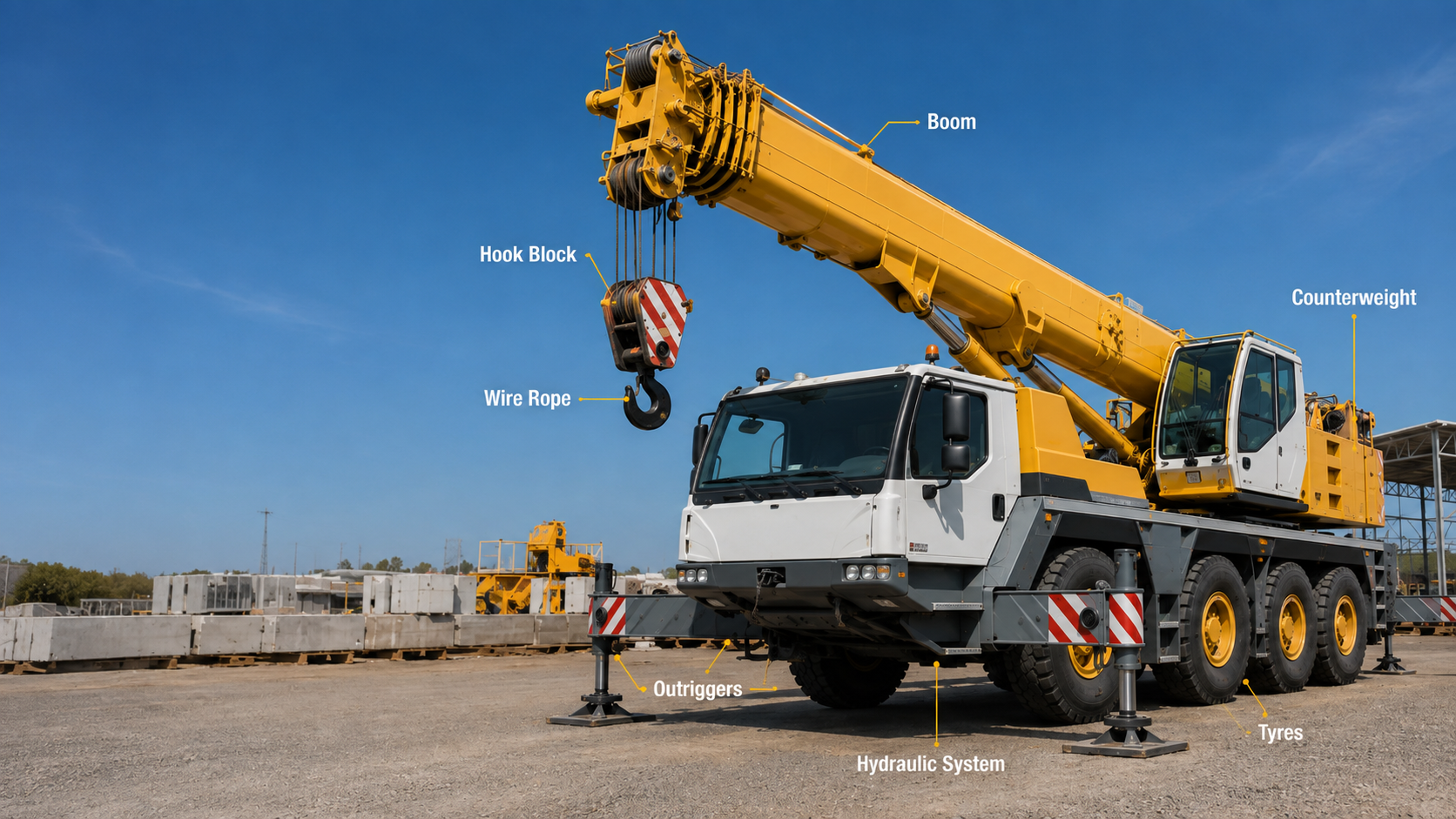
The crane is positioned for optimal reach and stability, with outriggers fully deployed and ground conditions confirmed safe, ensuring the efficiency of the crane transporting the unit.
3. Rigging the Fire Pump Module
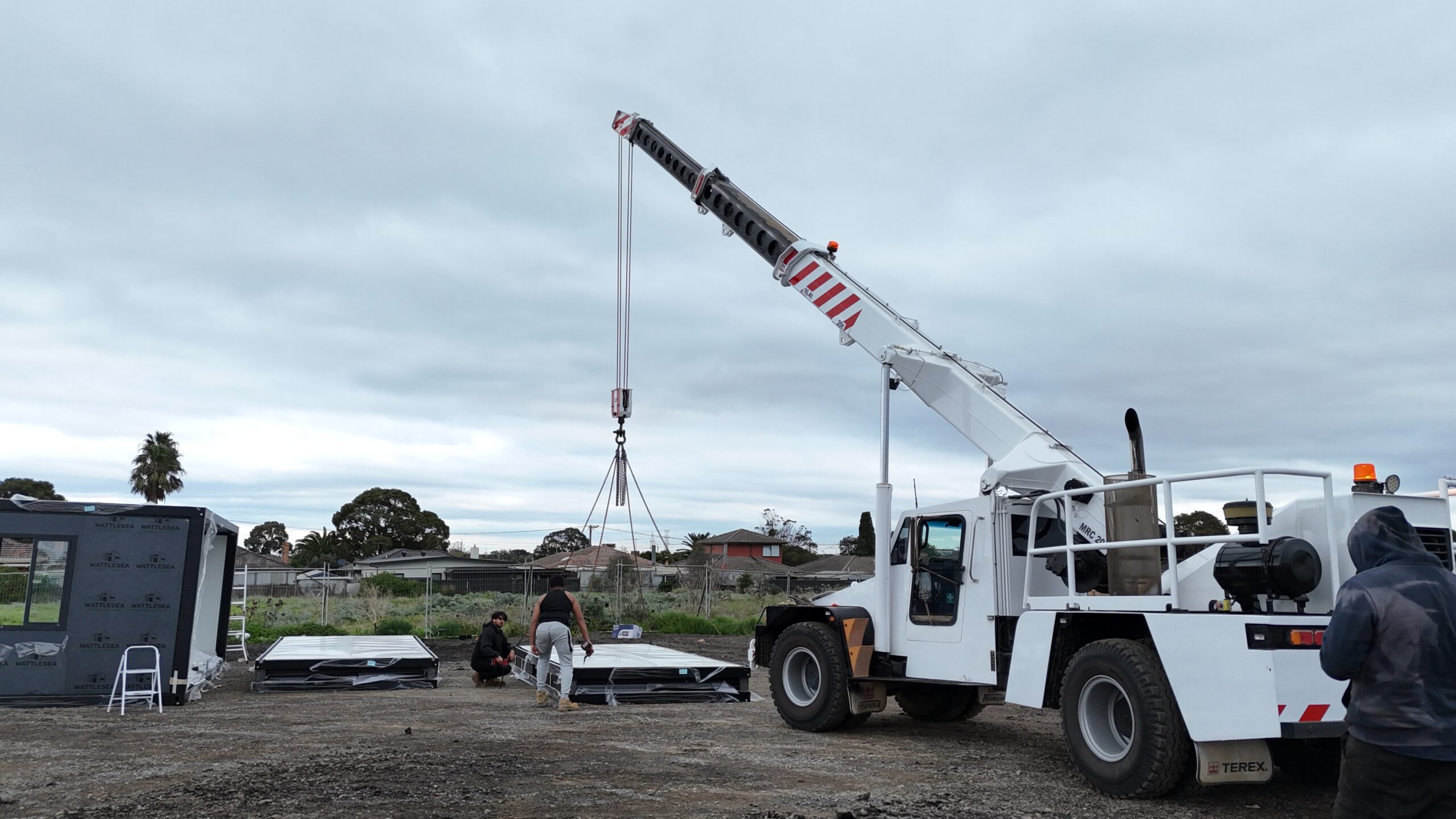
Using the built-in lifting points, riggers attach certified slings and equipment. The galvanized base ensures structural strength during lifting, facilitated by the crane.
4. Controlled Hoisting
The crane operator lifts the fire pump room slowly and steadily, keeping communication open with the rigging team and spotters, which is critical during this mobile phase.
5. Landing on the Concrete Slab
With precision maneuvering, the unit is lowered into place on the slab. Final alignment ensures bolt-down accuracy and proper utility access, with the crane’s role now complete.
6. Final Checks
The enclosure, base, and internal pump components are inspected for movement, ensuring the unit remains level and undamaged. The mobile crane’s task is then finalised for this operation.